



Lateral hiring is one of the most significant bets a law firm can make, and firms are making more of them than ever. Partner-level moves hit their highest volume in five years in 2025, up ten percent on the prior year. Yet between forty and sixty percent of lateral hires still fail to meet their objectives within five years. The afternoon session at CMO Series Live tackled the part firms most often leave to chance: what happens after someone walks through the door.
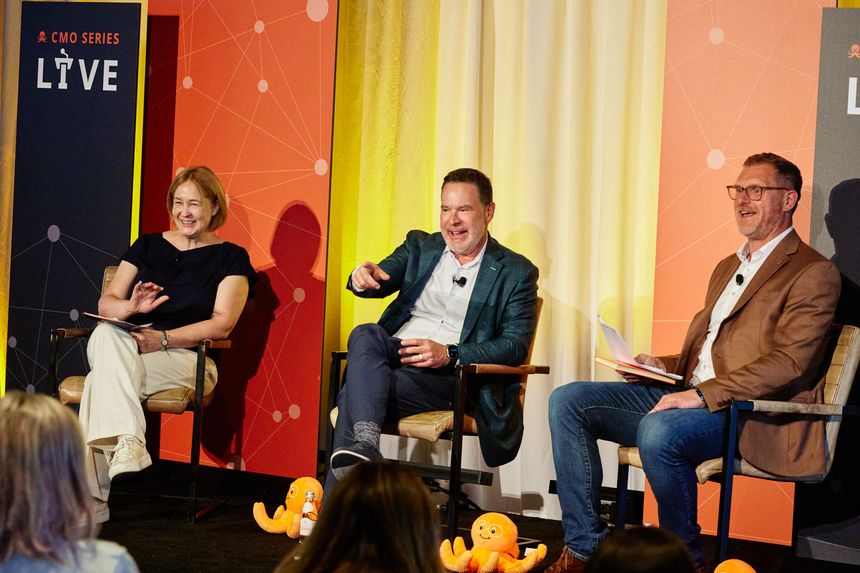
Moderated by Will Eke, the session featured two firm leaders who have spent years working on lateral integration:
- Craig Budner, Global Strategic Growth Partner, K&L Gates
- Julie Amos, Chief Marketing and Business Development Officer, Hinshaw & Culbertson
Craig began as a practicing litigator on the managing committee at K&L Gates before moving into lateral hiring and integration, and eventually taking on CMO responsibilities. He has been with the firm for thirty-six years, across its growth from a Pittsburgh boutique to forty-eight offices on five continents. Julie leads an eighteen-person marketing team across a six-hundred-lawyer firm with close to thirty offices. Hinshaw has grown significantly through lateral hires, and by her account, had to get good at integration as a result.
Why Laterals Fail
Two failure modes came up consistently. The first is ego. At K&L Gates, collaboration is rewarded and siloing is economically penalized through the compensation structure. A lateral who arrives planning to keep doing exactly what they have always done rarely builds the trusted advisor relationships where lateral value materializes. The second is misread portability. When a lateral brings clients whose loyalty sits with their previous firm rather than with them personally, the business often does not follow. Craig was clear that assessing this honestly is a conversation that needs to happen before the hire is made, not after.
Julie described the drift that tends to precede departure: early engagement, meeting attendance, outreach, and then a gradual slowing in the background. By the time it is visible enough to address, the window to intervene has often closed.
Track Behaviors, Not Just Revenue
K&L Gates monitors leading indicators rather than waiting for revenue to signal a problem. Are meetings happening? Are introductions being made? Is the lateral engaging with marketing and BD? Are they cross-pitching? The firm also deliberately builds lateral cohorts, connecting people who joined around the same time, so new partners have a peer group and a shared reference point from day one.
A client dashboard tracks the business a lateral committed to bring over, measured against actual platform adoption. If someone committed to a million dollars from a specific client and the number is zero six months in, that is a question worth asking immediately. Is there a conflict? A relationship issue? Something that can be addressed before it becomes an exit?
Julie added something simpler: go back to the basics of human connection. Ask whether they are still happy. Not as a formality, but as a genuine conversation about what barriers exist and how to remove them. Craig extended that: ask laterals what their previous firm did well, and where they see this firm doing the same. If they have genuine input into how the integration program develops, they have more reason to want it to succeed.
Getting Marketing and BD in the Room Earlier
Marketing and BD tends to be brought in after the hire is signed, when the team is already playing catch-up. Julie's case for earlier involvement is practical: if a firm would not make a major capital investment elsewhere without involving the relevant stakeholders at the planning stage, a lateral hire at equivalent cost should be treated the same way. The route she has used is to frame the conversation around value to the hiring partner. If you can convince them that your involvement will help the lateral succeed, you get invited in earlier.
Craig's recommendation was direct: get the CMO into the interview process on the front end. Marketing leaders are good judges of people, and it works. Beyond that, make sure the lateral hiring partner shares candidate information early enough for the team to prepare. With AI tools, that research is considerably faster once you have the basic inputs. And the partner who champions a hire should be tracking that person's success two years later. Sponsorship should carry weight beyond the initial vote.
What Would You Change?
Julie pointed to expectation-setting: have a direct conversation at the start about what success looks like on both sides. She referenced a line she finds useful, that the challenge of communication is the illusion that it has occurred. A lot of integration difficulty comes from assumptions that were never made explicit.
Craig wanted better rewards for the partners who identify and bring in strong laterals, alongside real accountability when a candidate they backed does not perform. Partners know their industry and their peers. If that knowledge is properly incentivized, and sponsorship carries genuine responsibility for the outcome, the success rate improves.
The firms doing integration well are running consistent processes, tracking the right behaviors early, and involving marketing and BD before the decision is already made.
/Passle/53d0c8edb00e7e0540c9b34b/MediaLibrary/Images/2026-10-14-09-22-13-024-6acf49c5944aac193a981bb9.jpg)
/Passle/53d0c8edb00e7e0540c9b34b/MediaLibrary/Images/2026-09-28-10-59-02-989-6aba4876c6484376446500cc.png)
/Passle/53d0c8edb00e7e0540c9b34b/MediaLibrary/Images/2026-10-08-10-14-29-755-6ac76d050b30ba925ae8bc36.jpeg)
/Passle/53d0c8edb00e7e0540c9b34b/MediaLibrary/Images/2026-10-08-07-04-41-374-6ac740898f60cb75fde15df0.jpg)
/Passle/53d0c8edb00e7e0540c9b34b/MediaLibrary/Images/2026-10-08-07-04-41-241-6ac74089ce624e48d6cc6df6.jpg)