



Making an impact in business development isn’t about following a script; it’s about finding what works, what doesn’t, and where you can really move the needle. Through the power of listening and successful automation strategies, important client relationships can be strengthened.
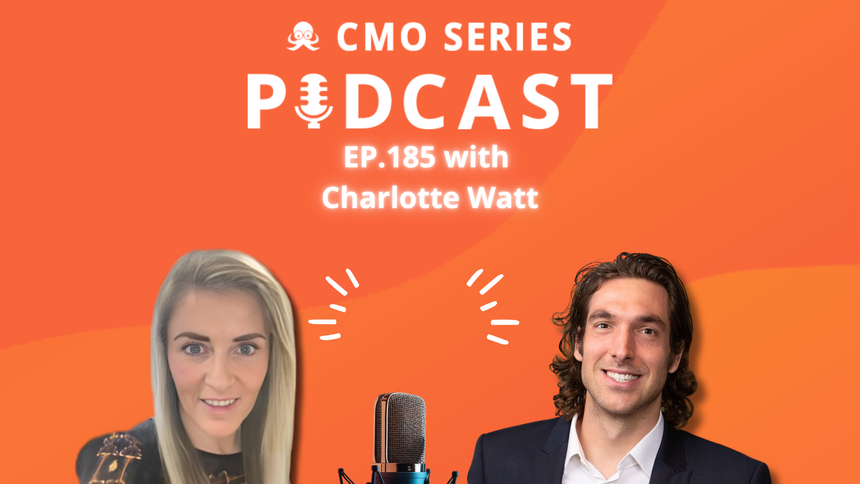
Today on the Passle CMO Series podcast, Charles is joined by Charlotte Watt, Head of Business Development at Brabners, to hear about her journey from the British Army to BD in the legal sector, and how her early career experiences shaped her people-first and results-driven approach.
With nearly two years at the firm, Charlotte shares many key insights that she has learned along the way. From navigating the challenges of stepping into law to developing practical initiatives involving structure, coaching and human touch.
Charlotte and Charles discuss:
- Charlotte's unique journey into Business Development
- The initial challenges she faced in her role
- How she used early career experiences to help her succeed
- Approaches to avoid in the initial phases
- Recommendations and initiatives to successfully engage with clients
Transcription
Charles: Hello and welcome to the Passle CMO Series podcast where we talk all things professional services, marketing, and BD. On today's episode, we are diving into business development, making an impact in business development isn't about following the script, it’s about finding what works, what doesn't, and where you can really move the dial. That's exactly what today's guest has been doing at the UK law firm Brabners. We are joined today by Charlotte Watt, Head of Business Development, to hear her story and the lessons she's learned along the way.
This episode is brought to you by CrossPitch AI, the new cross-selling tool from Passle. Cross-selling should be the easiest way for law firms to grow, but most firms struggle. Why? Lack of awareness, lack of trust, and frankly, fear of selling. The result? Missed revenue. CrossPitch AI fixes that. It breaks down silos, helps professionals connect and delivers timely, relevant insights to the right people, inside the firm and out. There's no heavy rollouts. Just switch it on and try it today. Head to crosspitch.ai to book your demo and make cross-selling happen. Now back to the podcast.
Charles: Charlotte, welcome to the podcast.
Charlotte: Hello.
Charles: Hey. Now as podcast guests go, you've got quite an interesting background so that's where I was keen to start, particularly your stuff in security and the military. So maybe to start us off, I wondered if you can tell us a bit about your journey into Business Development and what led you here and what's shaped the way you approach the role.
Charlotte: Sure. So I suppose it all started with a slightly rocky journey in education where I wasn't the model student and left school fairly early and decided that the British Army was the way for me to play sports and get paid to explore the world, or that's how it was sold to me. So I spent 10 years in the British Army, straight from school from 16 to 26 and I think the main things that came from that was a lot of fun, a steady hand with discipline and some really high levels of resilience, which have served me pretty well in later life. It's probably made me extremely process driven and outcome focused, which is a blessing and a nightmare. And I left the military when I was 26, unfortunately was injured during service and so an early departure from what I thought was to be a lifelong career. And naturally as many ex-service men and women do, fell into security. And it wasn't an area that I was focused on, but there isn't enough females in security, so I found myself lucky and to be surrounded by other veterans and senior security advisors who showed me the way. And that led to a few exciting years really with corporate organizations supporting with female global security advice and high net worth families that needed help with some of the logistics around global security and generic support, especially with children and young vulnerable adults. So I think from that, just taking away what risk meant away from the battlefield, uh, and what it means in the real world was a real big pro. Learning about negotiation because I was ultimately negotiating my own contracts and what I was gonna do, where I was gonna go, and who I might have worked with, was just something that was very alien to me. Doing a lot of research, so research on where we were going, who was gonna be there and what the threats were, something I never previously had to do, it was always given to me on a plate. And then ultimately the soft skills, how do you, how do you make the children go over to the safe zone as opposed to just shouting and following orders. So a real big learning curve coming into the security world, but actually it's a lot more broad, I think, than what people anticipate it to be. I stayed doing security for about eight years and then naturally moved on. The business I was working for had a footprint in security aviation and nuclear, so I joined the aviation team in a more strategic role and I think this opened the next part of my development around being data led and understanding what data means in terms of business decision making and giving me a real commercial focus on essentially how businesses make money out of operations. And before that, I was always very much in, in the operational roles of getting stuff done. As you can imagine, aviation is massively customer and market facing so it was the first time I had to listen to what the market was doing and what the customers wanted, as opposed to what the experts thought was the right thing to do. And then I completed a diploma in coaching so that I essentially could understand the people that I was working with, and pretty diverse in aviation, a lot better. And I suppose that was what I would call the perfect storm that has led me to hopefully be able to challenge the status quo within the legal industry and get under the skin of all markets and how we, how we do business in the legal industry and how we can better do business.
Charles: Yeah, and I imagine that switch up when you first came into Brabners was quite a big difference from your previous role. What, what were some of the challenges you faced getting started?
Charlotte: I suppose the businesses had mapped the role and how they envisioned it, and they saw that with the professional services hat on and not necessarily my integration, square peg, round hole and all that. So yeah, I suppose it was, I use this analogy in the most friendly term, like a grenade being a rolled into a staff room and going bang, and everyone being slightly surprised and excited all at the same time. It was a big vertical learning curve for me. I've never worked in professional services before, so understanding what I needed to know and what was nice to know to be able to take the business to the next step and, and where Brabners was at with its five year plan in terms of its strategic journey, where we'd got to and what some of those blockers were. And then I suppose defining what good looked like for me and, and having some pretty high levels of resilience. You know, there's a lot of very driven, intelligent people in the business and everybody is focused on their own areas and how do you draw that all into peddling in the same direction from a strategic point of view was pretty challenging. So yeah, it was a tricky first six months, but actually the culture's fantastic and that probably carried me through.
Charles: Yeah. And it’s just coming up to two years you've been at the firm now, is that right?
Charlotte: Yeah, it is indeed.
Charles: Yeah. So I guess on the flip side of the challenges, what were some of the things that you did in your previous roles that maybe set you up well, that, in those early days, you'd recommend anyone sort of starting out in a new role to do?
Charlotte: I think the coaching was massively important for me, and I'd studied the diploma beforehand, so that was all sort of fresh on the tip of my tongue. And I did a lot of mapping, so I did a lot of personal and strategic mapping. It might seem a bit geeky, but everybody in this firm who works in different areas is completely different and has got completely different ways of working. So it's like being thrown in with about 30 different customers in that initial point. So one of the things that I did was I’d map who was gonna be the biggest allies to me in this business and who I was gonna be able to bond with on a personal level, and who was gonna be able to help me get the teams in facing the direct direction that I essentially needed them to. So a lot of listening, a lot of learning, and, you know, drawing on my naivety to lure them in.
Charles: So I guess that when you're coming in with a fresh approach, you can sort of get away with asking the questions because no one expects you to know it 'cause you just come in. So playing on that a bit, is that what you mean by the naivety?
Charlotte: Yeah, I think sometimes, you know, some of them probably felt a bit frustrated with having to explain things that seemed pretty basic to them. But you know, if you look at that through the other lens, some of the business development strategies that we use seem pretty basic to me. So how do you, how do you bridge that gap? And, you know, I did, I used naivety. I said, this is all brand new to me and you're gonna have to bear with me and teach me as we go. But trying to do that with a bit of humor and trying to bring a bit of the human side to it helped me massively. I think that's probably where the resilience comes in is to just keep pushing, it's not always about what they want. It's, you know, that old Nanny McPhee, It's not what you, when you want me, you need me, I'm gonna be there. It's not about what they want, it's more so about what they need. So just trying to be resilient, especially in the face of adversity with 30 big scary lawyers on the call saying what not this was said, but what might you know, you've never been in law before. The basic principles of what we're trying to do here are applicable to every industry and actually let's put the law to one side and think about the human beings that might be involved.
Charles: Yeah, so simplifying it down. And was there anything that in hindsight, you would've avoided? So any approaches or habits that didn't work in the initial phase?
Charlotte: I suppose I've learned a very hard lesson coming away from the military and going into corporate organizations. And I think people have this perception of the military veteran in terms of being shouty and bossy and just getting stuff done, and actually I see myself as keen, funny and adaptable. And I'm not sure that people have that perception. So suppose earlier on in my career, I probably came across as thinking that you potentially may have to be the loudest person in the room to get stuff done, and you know, I'm really fortunate to have had some fantastic mentors along the way that showed me a completely different way of working. So, I think one of the things that I always try and do is, and avoid, is going back into, and, you know, I do have that natural, ugh, let's get to the end, let's get to the goal. I have to, I have to avoid letting that horse loose and keeping it on a, on rope.
Charles: Yeah. So fast forward to today. What are some of the practical things you're working on now that are really helping you to make an impact? What sort of projects or initiatives or sort of new ways that Brabners are doing to engage, engage with clients?
Charlotte: So I think that one of the bonuses of my role is working closely with our head of AI, and one of the most important things, and I know that everybody talks about this and it's a bit of an ongoing topic, but it's the automation. So a lot of what I bring to the table is about structure. So there's lots of ways to engage with our clients, and not every single way needs to be the same, but where we don't, where we've lacked structure in the past and we haven't capitalized on automation, and it's led to us not providing the service level that we expect of ourselves. So really stripping that back and, you know, that's where the naivety comes in and that's where the lack of being in the legal services actually played into my favour and sitting down and saying, Okay, what do we do when we meet a client? How do we assess their business? What does that process look like? And if that's led by somebody in a certain department, how does that feed into other departments? And how do we approach things as a team rather than individual effort? How do we look at this as a Brabner's opportunity and not an opportunity for lawyer X? So, a lot of the project that I've worked on over the last two years is structural engagement and automation, which has been very interesting and is actually paying fruits now. And, I like the rapid check-in sessions that I've put in with some of the senior leaders. So, you know, they're busy with their day-to-day jobs and they are neck deep in legal issues. So, these rapid check-ins are just a way to be helpful and to be completely outcome focused, so we just dial in, it's 15 minutes, it does not go a minute over, even if we've got something important to say, it's gotta be in priority order. And how can I support? How can we be insight market orientated? And what can I draw from my team to bring to them to make sure that we close off at least one of our objectives whether that’s short, medium, or long. And I think you can get carried away with automation and we can have, you know, all of our systems talking to the people who are out there on the ground doing the business development and creating those relationships. But actually, it's about that human touch in the background and offering that alternate perspective and we do that in 15 minute blocks so that I'm not chomping up anybody else's time, but they feel that constant touch point.
Charles: Where did you come up with the idea for that? Is that something you've done before or?
Charlotte: It's not something I've done before, but it's back to that problem solution phase of how do you. You know, if we create value with our time and our time is so precious, we can get swept, I've watched it before, the teams will be swept down areas where sort of a belief that we know what the client needs, as opposed to that listening phase and remaining focus. And I think when you are not in it, in the detail, being able to pull them and lift them back up to, what did you say you were gonna do? How are you gonna achieve that? And how does this conversation, or how does the last 30 days of actions that you've been doing feed into that? And you know, a lot of them will look at themselves and say, actually I'm not, I'm not sure that does. And I'm like, okay, well that's that coaching, what you can do about that and how do you, how do you change that? They don't have to answer it in the session, but we'll check in again next month and make sure that you're walking in the right path. And actually the feedback's been really good, it's been helpful to keep me on track, I feel like I've become a minder.
Charles: Yeah. And who is it, is it all partners you do that with or is its select group or?
Charlotte: Primarily I do it with our sector leaders. So we've got eight sectors and then they have sub-sector teams. So I'd like to think that our core focus is around the bigger opportunities where we see real long-term strategic relationship with clients that are gonna benefit our overall strategy. So it's not about, we don't do that, I don't do that with individual opportunities. You know, there's lots of autonomy in the business and we don't tread all over the fee owner's toes, but we do it where we think that there's value in doing so, in approaching things differently.
Charles: And if you had any quick win anecdotes that have come from this or any sort of things that have really given you confidence that it's working and it's effective.
Charlotte: Yeah, I think over the last six months we've picked up large clients that actually we, I'm not entirely sure we would've picked up in the same vein. And being able to, you know, show the teams that it's okay to be vulnerable and it's okay to say we don't do that right now, or we aren't doing that right now, is that something you want? Championing the feedback sessions and getting comfortable with the uncomfortable and saying it's okay to say it's not something we're doing right now, but we'd love to work on that with you, would you like to work on it with us? And actually the majority of our clients are a lot, a lot more open to that and I think if you follow the structured engagement from that very early stage and build those relationships, when you come to have those conversations about building whatever the future looks like in terms of the legal partnership, they're much more forthcoming. And, you know, we've managed to pick up not only new clients, but new clients that are saying to us, this is the way we've done it before, what do you think? And that's not necessarily just about the legal services, it becomes that entire client journey and that's the bit that gets me going because that's where you can see all the other big opportunities that are much bigger than what's in front of you just now.
Charles: Yeah, that actually leads on to my next question, uh, it’s all about looking ahead. Where are you going from here? What have you got coming up? And how has your, sort of, skillset prepared you for what you're up to next?
Charlotte: Well, I suppose my skillset is both my benefit and my enemy. I'm always chomping at the bit and it's never good enough, we're never finished and we're never done. So, i'd like to scale some of the concepts that we'd put in place for the sectors, and roll that out with the support of the Business Development team into some of our departments so that we mirror what good looks like and help them to self-serve. Ultimately, if some of this change and engagement and structure can take place further around the business, then I anticipate that the opportunities would just spread internally. I think looking at the teams, when you come into a business, you inherit a team and the business has created a team, and as a business evolves and so do the way that we do things. What does the structure for success look like? If you, if you run it back from the objective as opposed to what, what's already in place. So very much digging into this human side of it, what's the makeup of a good team look like and without a legal angle on it to start with.
Charles: Yeah, I like that. I like the idea of, well, keeping it human, but then also what you are saying about just trying to empower people to do this themselves. You used the word self-serve and that's probably the best way to do it at scale 'cause you are just one person. So setting up those processes, so that people can go and do this sounds like a sensible next step. We are now gonna jump into the quick fire round where this is our chance to find out a bit more about you. So you don't need to think too much about the answers. But the first one on my list is what are you currently reading or listening to at the moment?
Charlotte: I'm always reading and listening to two things at once. I have audio books for fun, so I'm listening to a book called The Chain, which is actually about a child abduction chain, for fun at the moment. And what I'm reading is a book called Turn the Ship Around by David Marquet, which is about an American submarine, a gentleman who joins one of the lowest performing submarines in the US fleet and manages to turn it round into the most high performing submarine. And it's very much back to developing and creating the structure of a wonderful team and a safe space to allow people to perform, and he's breaking the mold away from what people, I suppose, would think traditional military, you follow an order from the top, you follow a process and he's trying to break down those processes and managers to do it effectively.
Charles: That sounds really interesting. So, so the main guy, what is, is he like a new person in the military or is he just got different ways of doing things?
Charlotte: No, he’s a well esteemed officer in the military. I think he's recognized a different way that leadership is available and he was given some autonomy by a very senior leader who said, this ship is never gonna make it, essentially and we're, we're now at a point where we are ready for you to try something different. And the book is very much about his personal struggles with how he feels in the military should be, and how he sees leadership. And, you know, it talks about mistakes, failures, how he overcomes them, and how he brings people on the journey. It's very much underpinned by data and statistics, how it actually does become one of the, the top performing submarines. So yeah, it's got a lot of context that I can align to both sort of previous life and now actually.
Charles: For real. What's one thing you couldn't live without in your working life?
Charlotte: It's my safe space, it's my friends, it's the people that I've met around the business that have just basically become a sounding board and a comfort blanket. I think without them, everything else would probably fall over and I think, yeah, they keep me going.
Charles: Forreal. And is there, is there a particular habit you think has helped you particularly in your career?
Charlotte: I wouldn't say habit. I just, I suppose it's just the resilience and potentially a blind lack of fear. When I came into the professional services industry, a lot of people in security said to me, what on earth are you doing? You know, you've been here for a long time, you're well respected and you've got a career ahead of you in this industry. I saw that as an opportunity as opposed to a risk or the potential for something to go wrong. So I think resilience in a little bit of blind determination is probably deeply rooted.
Charles: Yeah, I like that. And then my last question is, what's your favourite way to unwind?
Charlotte: Paddle, paddle and a bit more paddle. And just for clarity, that isn't in the water with a paddle, that's with a futuristic carved tennis racket whacking balls against glass.
Charles: Yeah, that, that seems to be all the rage at the moment. Brill. So we're going to wrap up our podcast the same way we wrap up all of our podcasts, and that's by asking our guests for their one key takeaway. So for you, Charlotte, this is, what would be your one piece of advice for those looking at their sort of Business Development approach and thinking about how to make a real impact?
Charlotte: I would say be passionately curious and don't be afraid of naivety, and don't assume.
Charles: Brill, I like that. Be curious, don't assume, and yeah, you'll, you'll really make some changes. Well, Charlotte, thanks for your time today. It's been great to catch up. And, and of all the guests we've had on here, I don't know if we've had someone with such a diverse background. So it's really interesting learning about your role from the military to security and how that's impacted what you do today. So thanks again for coming on and sharing your insights with us. Thanks, Charles, really enjoyed it.
You can follow the Passle CMO Series podcast on your preferred podcast platform. Thanks for listening, and we'll see you next time.
/Passle/53d0c8edb00e7e0540c9b34b/MediaLibrary/Images/2026-10-14-09-22-13-024-6acf49c5944aac193a981bb9.jpg)
/Passle/53d0c8edb00e7e0540c9b34b/MediaLibrary/Images/2026-10-22-11-14-29-774-6ad9f015ed262a90b1bf36f6.jpg)
/Passle/53d0c8edb00e7e0540c9b34b/MediaLibrary/Images/2026-10-19-13-24-47-415-6ad61a1fdc6374f637024697.jpg)
/Passle/53d0c8edb00e7e0540c9b34b/MediaLibrary/Images/2026-10-13-16-00-13-704-6ace558d477453bcaa2eba35.jpg)
/Passle/53d0c8edb00e7e0540c9b34b/MediaLibrary/Images/2026-09-28-10-59-02-989-6aba4876c6484376446500cc.png)